Chernobyl book review: Manual for Survival: A Chernobyl Guide to the Future by Kate Brown
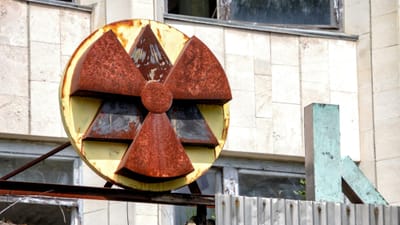
HBO's dramatisation of the Chernobyl accident was not entirely factually accurate. But it is futile to criticise the entertainment business for this. But we cannot be so charitable toward Kate Brown’s new book Manual for Survival: a Chernobyl Guide to the Future.
Muse on the anatomy of rhetoric
When it comes to rhetoric, form and content matter. Think of Donald Trump's conveyance of contempt when he strutted behind Hilary Clinton's back on a live TV presidential debate. Here's my stab at explaining the inner workings of rhetoric.
Marshall McLuhan: A media guru reconsidered
Regardless that Marshall McLuhan's name is no longer household fare (unlike, say, Warhol's), his influence remains as significant among cyber-nerds as it was among beatniks. In fact his thinking is arguably more significant today.
Cicero and the limits to spin and rhetoric
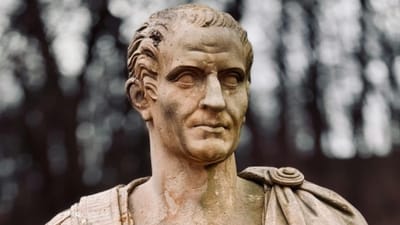
Cicero's life demonstrates that what really determines historical outcomes – and always has done – is not merely the power of persuasion, by either spin or the truth well told. No, what matters most - along with luck and circumstance - is the balance of power and how different forces are aligned.
Are modern PR thinkers spinning Isocrates' legacy? (revised Dec 2013)
Why are some PR professors trying to turn Isocrates into a role model for modern communicators? Isocrates was an enemy of radical Athenian democracy. He believed in a predetermined social order. He shared Plato's prejudices, but very few of his strengths. Except on the virtues of liberal education.
Homer and the origins of public relations
This essay reviews the transformative moment in history when public opinion emerged as the dominant force in society. It examines why kings, aristocrats and tribal tradition began to lose their exclusive claim on power and how citizens obtained a greater stake in society's management.
Pitt's reign of terror and today's Lobby Bill
In 1795, in response to public support for the "friends of peace" campaign, which opposed Britain's wars against French and Irish republicans, prime minister William Pitt launched what became known at the time as a reign of terror.
Getting to grips with corporate and PR ethics
The word ethics derives from the Greek word ethos, which means character. Ethics governs how we ought to behave. To behave as one ought is to behave ethically. Yet modern PR professionals rarely possess a basic grasp of ethical theory or the moral philosophical reasoning that underpins it.
Assessing PR's debt to Cicero
Cicero's legacy shows us two things. First, public relations primarily serves those who commission it: though popular and respectable, Cicero in fact represented Rome’s corrupt oligarchy. Second, despite this, PR can still possess an ethical and moral content that promotes social progress.
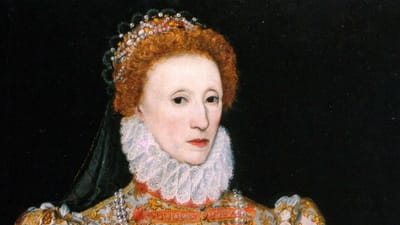
Queen Elizabeth I: PR Icon (part 2)
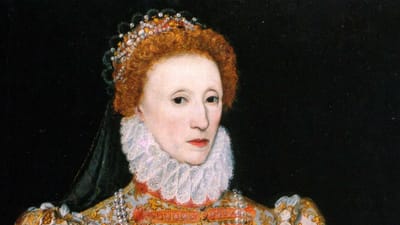
This second installment of a two-parter on Queen Elizabeth I describes how PR acts in support of leadership and authority using rhetoric’s persuasive powers. It tells the story of the emergence of modern PR practice and the modern world it shaped.
Queen Elizabeth I: Part 1
Here is the second in my series profiling important figures in PR. It is the first of a two-parter looking at Queen Elizabeth I of England (1558 – 1603). (I am working my back to the Romans and Greeks who got this whole game going.)
New moral agenda for PR: updated essay
In the late 20th century PR had to manage an increasing number of controversial issues. Firms were invited – forcefully – to address their reputations the way they once addressed profits. This essay interrogates the response of leading academics and examines the historical roots of the problem.