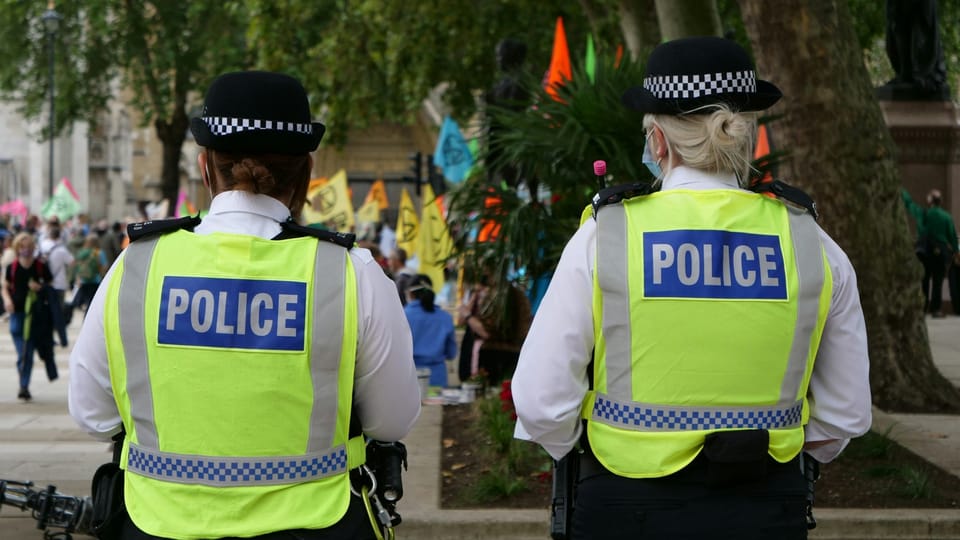
The PR travails of the British police over the death of bystander Ian Tomlinson at the G20 summit in London reminded me of the lessons in crisis management learned from the shooting of Charles de Mendez and the crisis at Three Mile Island in 1979. The reason is simple: first impressions count.
It is always difficult to know in such situations whether an organisation rejected or accepted the advice from PRs. Nevertheless, much of our industry's crisis management theory comes from a mistaken understanding of what went wrong with the PR at Three Mile Island.
For instance, in the latest edition of the International Public Relations Association's magazine frontlineonline, Mark Herford, Executive Vice-President, International Client Services and CEO Switzerland at Weber Shandwick, says in his piece Crisis Make or Break – The First 24 Hours:
Management of Metropolitan Edison, the utility directly involved and responsible for communication strategy in response to any incident at the plant, is reported to have waited more than one week before taking any action on the communications front, preferring to consult with lawyers and batten down the hatches in the vain hope that things would go away rather than communicating and influencing the court of public opinion.
Herford couldn't be more wrong. Three Mile Island's operators issued statements from day one, which were later found to be well-intentioned but misleading. Predicting that the plant would be back online in a few days, they said:
“The plant is in a safe condition. We may have some minor fuel damage, but we don’t believe at this point that it is extensive. Radiation levels at the site boundary are really only at a tenth of the general emergency level where we would normally get concerned. We do have our crews out, we are monitoring for airborne contamination. The amounts we have found is minimal, very small traces of radioactivity had been released from the plant.”
In fact there had been a core meltdown. It had already taken place before the statement was issued. The plant's operator Metropolitan Edison had no idea what had happened inside their reactor. By the end of the third day of the accident the operator's confusion became transparent. Panic set in and unnecessary evacuations were ordered.
The knee-jerk reassuring statements from Metropolitan Edison became a hostage-to-fortune. All trust in future statements was lost as a result. Arguably, the world also lost faith in the entire nuclear industry as a consequence of this iconic cock up.
One can trace a similar unfolding of hasty statements, clarifications, embarrassment and loss of trust in the British police over the Charles de Mendez affair, and to a lesser extent the Ian Tomlinson one. In all three cases the temptation of the crisis-hit body to "get out early – control or influence the dialogue from the outset" led them into trouble.
Three Mile Island was perhaps the first modern example of 24-hour rolling news. The world lapped up every statement and bore witness to every breath-taking twist in real time. Since then, in the age of Twitter and citizen-reporting, in which every member of the public is a potential cameraman, sound recordist and publisher, keeping control of news agendas has become even tougher.
I'm not arguing for slow responses, or for no response in the early stages of a crisis. I'm making the point that PR advisers need to be more willing to accept that there needs to be restraint and caution at the outset of such events. There needs to be a greater willingness to accept some early bad PR in a crisis as a tactical necessity as part of a strategy to protect long-term reputations.
Subscribe to our newsletter.
Become a subscriber receive the latest updates in your inbox.